
CRW Mechanical: Expert Insights on HVAC Systems and Home Comfort
- 235 Views
- DiscoverNews Editorial Team
- November 29, 2024
- Home Improvement
Heating, ventilation, and air conditioning (HVAC) systems are a cornerstone of indoor comfort for homes and businesses. They regulate temperature, improve air quality, and ensure that spaces remain safe and comfortable throughout the year. Understanding how HVAC systems work and maintaining them properly is essential for efficiency, longevity, and energy savings.
This article explores why HVAC systems matter, how to maintain them, energy-efficient options, and tips for selecting the right service provider.
Table of Contents
ToggleWhy HVAC Systems Are Essential
HVAC systems are more than just temperature controllers. Their impact extends to air quality, energy efficiency, and overall comfort:
- Temperature Regulation: Proper heating keeps spaces warm during winter, while air conditioning provides relief during hot summer months.
- Air Quality: A well-maintained HVAC system filters dust, allergens, and pollutants, reducing the risk of respiratory issues and creating a healthier indoor environment.
- Energy Efficiency: Efficient systems consume less energy, lowering utility costs while minimizing environmental impact.
- Protection for Homes and Equipment: Controlling humidity levels and temperature fluctuations protects furniture, electronics, and other sensitive items from damage.
- Productivity in Workspaces: Comfortable indoor environments help employees stay focused and productive.
Choosing the right HVAC system and keeping it in good condition can significantly improve comfort, energy efficiency, and indoor air quality.
The Importance of Regular HVAC Maintenance
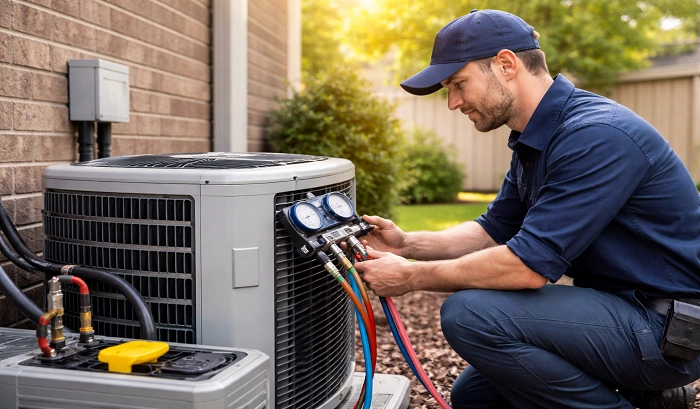
Routine maintenance is crucial for keeping HVAC systems running smoothly and avoiding unexpected breakdowns. Key reasons include:
- Preventing Small Issues from Becoming Major Problems
Regular inspections can catch issues such as worn belts, dirty coils, or refrigerant leaks before they escalate. - Improving System Efficiency
Cleaning filters, coils, and vents ensures that the system operates efficiently, reducing energy use and lowering utility bills. - Extending Equipment Lifespan
Well-maintained systems experience less wear and tear, delaying the need for costly replacements or repairs. - Safety Considerations
Regular checks can identify potential hazards like gas leaks or electrical faults, protecting both residents and employees.
Maintenance Checklist for Homeowners and Businesses:
- Replace or clean HVAC filters every 1–3 months for best performance.
- Inspect and clean air ducts and vents.
- Check thermostat settings and functionality.
- Have a professional HVAC inspection at least once a year.
Energy-Efficient HVAC Solutions
Modern HVAC systems offer advanced features that save energy and reduce environmental impact. Key options include:
- High-Efficiency Heat Pumps: These systems transfer heat rather than generating it, reducing energy use while maintaining comfort year-round.
- Smart Thermostats and Timers: These devices allow users to adjust heating and cooling remotely and schedule energy use based on daily routines.
- Improved Insulation and Airflow: Proper insulation and optimized airflow enhance system performance and lower energy consumption.
- Energy-Efficient Equipment: Selecting ENERGY STAR-certified units ensures high efficiency and environmental benefits.
Implementing these solutions not only saves money but also contributes to a more sustainable lifestyle.
Tips for Choosing the Right HVAC Company
Selecting a qualified HVAC service provider is critical for system performance and safety. Consider these guidelines:
- Check Credentials
Check that the company holds proper licenses, insurance, and certifications. This ensures your safety and industry compliance. - Read Reviews and Testimonials
Customer feedback shows a company’s reliability, professionalism, and service quality. - Compare Multiple Quotes
Request estimates from at least three providers to understand market rates and make an informed decision. - Ask About Warranties
A reputable company should provide warranties on both labor and equipment. - Availability for Emergencies
HVAC problems can happen anytime. Choose an HVAC company with round-the-clock emergency availability. - Evaluate Experience and Expertise
Long-standing companies with certified technicians generally provide more reliable and knowledgeable service. - Customer Service
Friendly, responsive, and communicative staff enhance the overall experience and make maintenance or repair processes smoother.
Conclusion
HVAC systems are essential for comfort, air quality, and energy efficiency in both homes and workplaces. Regular maintenance, energy-efficient equipment, and smart operational practices contribute to longer system life and lower costs.
By understanding the components and functions of HVAC systems, as well as how to maintain and optimize them, homeowners and business operators can make informed decisions that improve comfort, safety, and sustainability.
Working with licensed and experienced HVAC professionals ensures systems are installed, maintained, and repaired correctly, minimizing risks and maximizing efficiency.
The Discover News Editorial Team publishes original, research-based content across business, digital marketing, home improvement, lifestyle, and general news. Articles are written, edited, and reviewed with a focus on accuracy, clarity, relevance, and reader value, and are intended for general informational purposes only.