
Monocacy Equine: An Informational Overview of Services and Equine Veterinary Care
- 302 Views
- DiscoverNews Editorial Team
- December 4, 2024
- Business
Monocacy Equine is an equine veterinary service provider based in Maryland, serving horse owners within its regional equestrian community. Practices such as Monocacy Equine typically focus on preventive medicine, diagnostics, performance care, and on-farm veterinary services.
This article provides a neutral overview of equine veterinary services commonly offered by practices like Monocacy Equine and explains why structured veterinary oversight is important for horse health.
Table of Contents
ToggleBackground and Role in the Equestrian Community
Equine veterinary practices play an essential role in regions with active horse populations. In areas known for recreational riding, sport competition, and breeding operations, access to qualified equine veterinarians supports both animal welfare and performance management.
Veterinary providers serving these communities generally offer mobile farm visits, routine health programs, and specialized diagnostics tailored specifically to horses.
Core Veterinary Services
While exact services vary by provider, equine veterinary practices commonly offer the following categories of care:
1. Preventive and Wellness Care
Preventive medicine helps maintain long-term equine health. Services often include:
- Annual or biannual wellness examinations
- Vaccination programs based on regional risk factors
- Coggins testing (Equine Infectious Anemia screening)
- Parasite control guidance
- Dental evaluations
Routine health programs help detect medical concerns early and reduce the risk of serious complications.
2. Lameness and Performance Evaluation
Lameness is one of the most common issues affecting horses, especially those involved in athletic disciplines. Veterinary evaluation may include:
- Physical examination
- Gait analysis
- Flexion testing
- Diagnostic imaging when necessary
Early intervention can improve comfort, mobility, and overall performance.
3. Diagnostic Imaging and Laboratory Services
Modern equine veterinary practices may utilize:
- Digital radiography (X-rays)
- Ultrasound imaging
- Bloodwork and laboratory analysis
Accurate diagnostics support targeted treatment plans and more efficient recovery.
4. Reproductive and Breeding Support
In regions with breeding operations, equine veterinarians may assist with:
- Mare reproductive exams
- Pregnancy confirmation
- Breeding management guidance
Proper reproductive oversight contributes to healthy foaling outcomes and herd management.
5. Emergency and On-Farm Veterinary Care
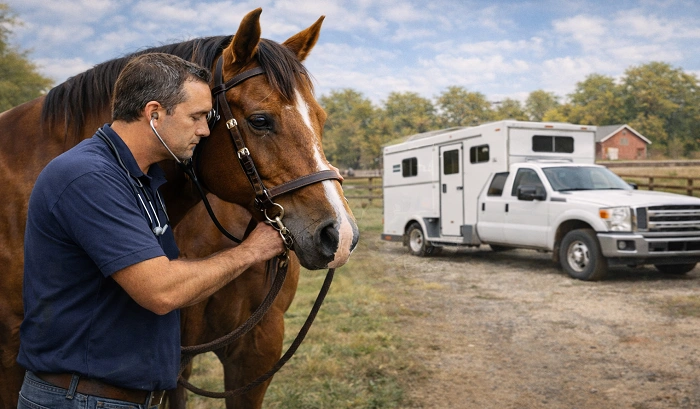
Many equine veterinarians operate mobile units, allowing them to provide treatment directly at barns and farms. On-site services may include:
- Evaluation of acute injuries
- Colic assessment
- Wound management
- Follow-up care coordination
Mobile care reduces transportation stress for horses requiring immediate medical attention.
Why Professional Equine Veterinary Care Matters
Horses have unique physiological and musculoskeletal characteristics that require specialized medical expertise. Key benefits of professional veterinary oversight include:
Early Disease Detection
Regular monitoring allows veterinarians to identify subtle changes in behavior, appetite, or gait before conditions worsen.
Preventive Health Planning
Vaccination schedules and parasite management programs can be customized based on geographic risk factors.
Soundness Management
Athletic horses benefit from structured monitoring to reduce the risk of long-term joint and tendon issues.
Dental and Nutritional Oversight
Dental irregularities can impact feed efficiency and weight maintenance. Veterinary evaluation helps ensure proper chewing function and digestive health.
Factors to Consider When Choosing an Equine Veterinary Provider
Horse owners evaluating veterinary services may consider:
- Professional licensing and credentials
- Availability of emergency services
- Range of diagnostic tools
- Experience with specific disciplines (e.g., sport horses, breeding stock, senior horses)
- Communication transparency regarding treatment plans
Scheduling consultations and discussing care protocols directly with a provider can help establish trust and clarify expectations.
Frequently Asked Questions
What types of horses typically receive care from equine veterinarians?
Equine veterinary practices commonly treat pleasure horses, performance horses, breeding animals, and senior horses requiring ongoing medical management.
How often should a horse receive a wellness examination?
Frequency depends on age, workload, and health status. Many horses receive at least one annual comprehensive examination, though high-performance or senior horses may require more frequent monitoring.
Why is preventive care emphasized in equine medicine?
Preventive care reduces the likelihood of undetected illness, supports long-term soundness, and helps maintain consistent performance levels.
Conclusion
Monocacy Equine represents a category of equine veterinary providers that support horse health through preventive care, diagnostics, performance evaluation, and mobile veterinary services. Professional equine oversight plays an important role in maintaining animal welfare, performance capability, and long-term health outcomes.
Horse owners seeking veterinary support are encouraged to consult licensed equine professionals to determine the most appropriate care plan for their animals.
For more informational articles covering business, health, and industry insights, visit our homepage at Discover News.
The Discover News Editorial Team publishes original, research-based content across business, digital marketing, home improvement, lifestyle, and general news. Articles are written, edited, and reviewed with a focus on accuracy, clarity, relevance, and reader value, and are intended for general informational purposes only.