
Rolling Smooth: How to Keep Your Tires in Top Shape
- 17 Views
- DiscoverNews Editorial Team
- January 29, 2026
- Lifestyle
Tires are more than just rubber circles that get you from point A to point B—they are the crucial connection between your car and the road. Proper tire maintenance ensures your safety, boosts fuel efficiency, and prolongs the life of your tires. If you don’t take care of your tires, they can wear unevenly, make your car handle badly, or even catch fire. Whether you’re a seasoned driver or a casual commuter, keeping your tires in top shape should be a priority.
Table of Contents
Toggle1. Monitor Tire Pressure Regularly
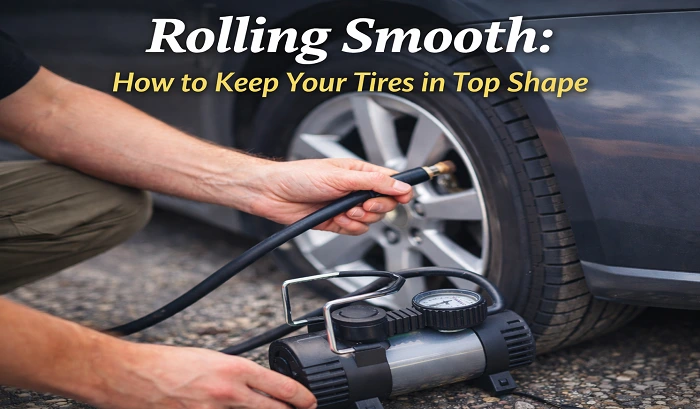
One of the simplest and most important steps in tire maintenance is keeping an eye on tire pressure. Under-inflated tires increase rolling resistance, reducing fuel efficiency and causing excessive heat buildup. Over-inflated tires, on the other hand, can reduce traction and wear unevenly. The best approach is to check your tire pressure at least once a month and before long trips. Investing in a reliable tire gauge is a small step that can prevent major problems. For convenience, using a 12V DC air compressor can help you quickly adjust tire pressure at home or on the road.
2. Rotate Your Tires
Tires wear down in different ways depending on where they are on the car. Rotating your tires every 5,000 to 8,000 miles helps ensure even wear, extending the lifespan of your tires and maintaining optimal performance. Most vehicles have a recommended rotation pattern in the owner’s manual, which typically involves swapping front tires with rear tires and sometimes crossing them diagonally. Following the correct rotation schedule keeps your vehicle stable and ensures consistent handling.
3. Balance and Align
Even if your tires are in good condition, improper alignment and balance can cause uneven wear and vibrations while driving. Tire balancing distributes weight evenly across all tires, preventing wobbling and premature wear. Alignment, meanwhile, ensures your wheels point in the correct direction and maintain proper contact with the road. Steering wheel vibration, uneven tread wear, and tugging to one side are all indicators of misalignment. Regularly scheduled checks by a professional can save you from costly repairs and enhance safety.
4. Inspect Tread and Sidewalls
Regular checks are the best way to find problems before they happen. Check your tire tread depth to ensure it meets safety standards; shallow tread reduces traction, especially on wet or icy roads. Many tires have tread wear indicators—small bars that become visible when your tire tread is worn down. Also, inspect sidewalls for cracks, bulges, or cuts, which could indicate structural damage. Replacing damaged tires promptly prevents accidents and maintains vehicle performance.
5. Avoid Overloading Your Vehicle
Exceeding your vehicle’s load capacity places extra stress on tires, leading to faster wear and increased risk of blowouts. Check your owner’s manual for the recommended load limits and avoid carrying excessive weight whenever possible. Spreading out cargo evenly also helps maintain tire balance and performance.
6. Drive Sensibly
How you drive directly affects how long your tires last. Aggressive driving, rapid acceleration, hard braking, and sharp turns can wear tires unevenly and reduce their lifespan. Smooth driving not only preserves tire life, but it also increases fuel efficiency.
7. Seasonal Care
Different seasons require different tire care strategies. In winter, make sure tires are rated for snow and ice, and in summer, check that they are not overheating during long drives. Storing off-season tires properly in a cool, dry place also helps maintain their integrity.
8. Replace Tires When Needed
No matter how well you maintain your tires, they eventually need replacement. Signs that it’s time include worn-out tread, cracks in the sidewalls, or uneven wear despite proper rotation and alignment. Most tires last between 25,000 and 50,000 miles, but it’s important to follow manufacturer recommendations and inspect them regularly.
Conclusion
Tire maintenance is not just about safety—it’s about performance, efficiency, and saving money in the long run. By monitoring tire pressure, rotating, balancing, inspecting, and driving responsibly, you can keep your tires rolling smooth for years to come. With simple tools like a 12V DC air compressor and a consistent maintenance routine, tire care can become a seamless part of vehicle ownership. Remember, a well-maintained tire isn’t just a better ride—it’s peace of mind on every journey. For more informative articles and practical tips, visit Discover News.
The Discover News Editorial Team publishes original, research-based content across business, digital marketing, home improvement, lifestyle, and general news. Articles are written, edited, and reviewed with a focus on accuracy, clarity, relevance, and reader value, and are intended for general informational purposes only.